The Unseen Influence: How Environment Shapes Personal Growth
Research Article | March 2026
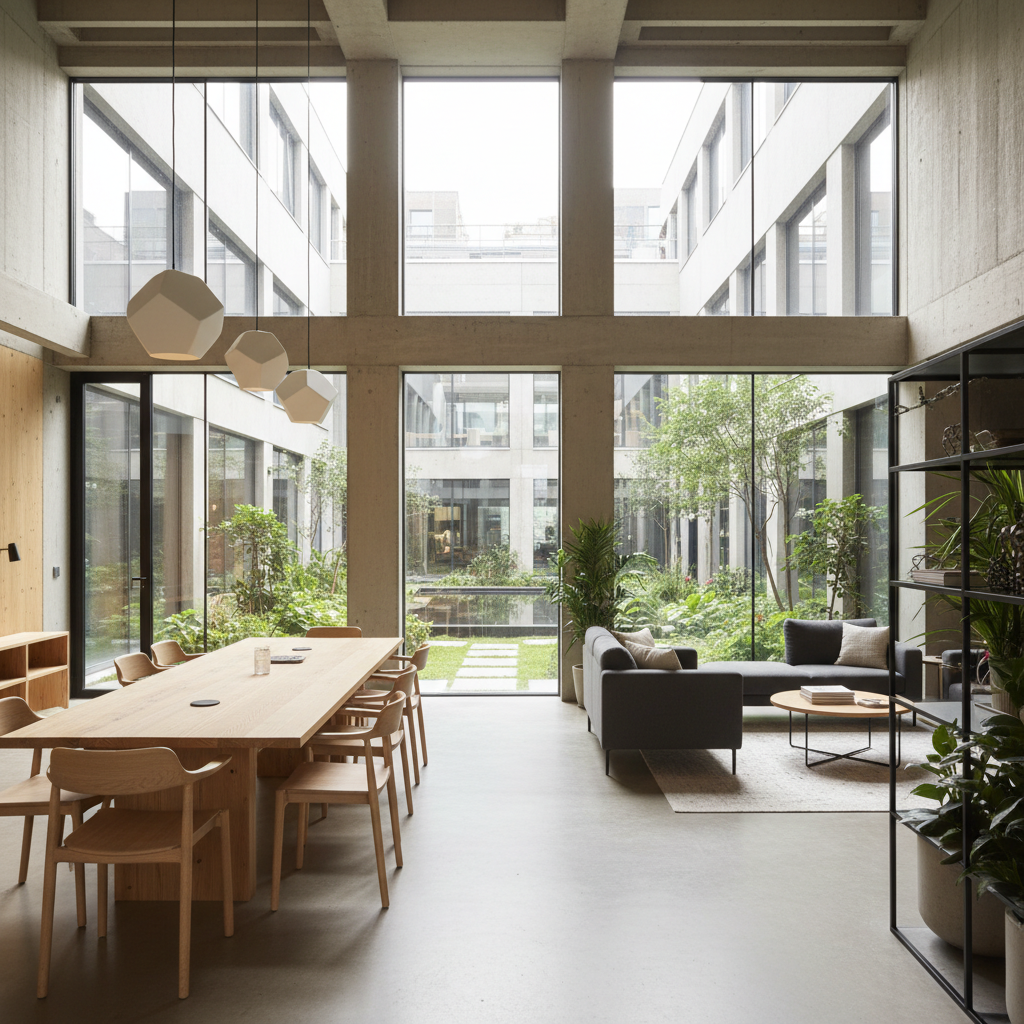
This exploration examines the profound, yet often subtle, ways in which our immediate environment impacts personal development and the adoption of new habits. From physical surroundings to social dynamics, every element contributes to a complex web of influences that can either foster or hinder progress. The article dissects various environmental factors, such as the organization of personal space, the presence of supportive communities, and the cultural norms that pervade daily life.
Spatial Organization and Behavioral Cues
We provide context on how these elements interact to create conditions conducive to certain behaviors or thought patterns, without advocating for specific changes. The discussion includes the historical perspectives on environmental psychology and its implications for understanding human behavior. It details how cues and triggers embedded in our surroundings can activate pre-existing habit patterns, and how the design of public and private spaces subtly guides our decisions. For instance, the "choice architecture" of a room—where items are placed and how lighting is utilized—can significantly alter the probability of a specific action occurring without the individual's conscious awareness.
Social Dynamics
The influence of peer groups and societal expectations on individual habit formation and maintenance.
Physical Architecture
How the layout of our immediate living and working spaces dictates our daily movement and focus.
Psychological Adaptation
We also touch upon the psychological comfort derived from familiar environments and the challenges of adapting to new ones. The aim is to illuminate the intricate relationship between an individual and their surroundings, providing an educational lens through which to view personal evolution. When an environment changes, the established habit loops are often disrupted, providing a unique window of "contextual fluidity" where new patterns are more easily integrated because the old cues are no longer present.
Environmental Factors Matrix
| Lighting | Focus Capacity |
| Ergonomics | Physical Comfort |
| Acoustics | Cognitive Load |
| Social Density | Behavioral Norms |